


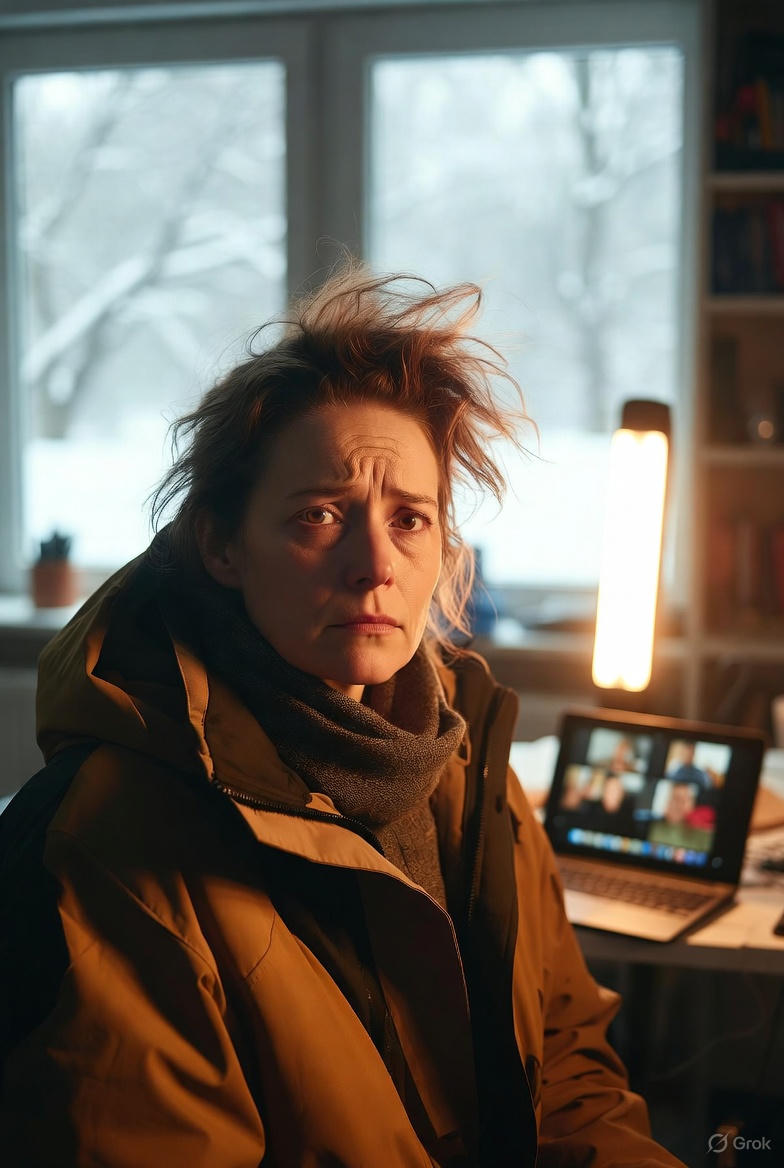
As the days shorten and temperatures drop, a subtle shadow often creeps in for many—Seasonal Affective Disorder (SAD). Affecting up to 10 million Americans annually, according to the National Institute of Mental Health, SAD is more than the “winter blues”; it’s a form of depression triggered by seasonal changes, primarily in fall and winter. At Riverview Community Mental Health Center, we’ve supported countless individuals through these dim months, witnessing how SAD can sap energy, strain relationships, and dim joy. With 2025’s early snowfalls and prolonged darkness, awareness is crucial. This post explores SAD’s nuances, symptoms, causes, and actionable strategies to brighten your season, empowering you to embrace winter with resilience.
Understanding Seasonal Affective Disorder: It’s Real and Relatable
SAD is classified as a major depressive disorder subtype, recurring predictably each year. Unlike general depression, it follows a seasonal rhythm—symptoms emerge in late fall or winter and lift in spring. The “winter” variant is most common, linked to reduced sunlight, but a rarer “summer” SAD exists, tied to heat and humidity. It’s not laziness or holiday stress; it’s a biological response disrupting mood-regulating hormones. Women are four times more likely to experience it, often starting in young adulthood, and it can worsen with age or in northern latitudes like New England.
Key Symptoms: Spotting the Shift Before It Settles In
SAD’s signs overlap with depression but carry a seasonal stamp. Watch for:
- Mood and Energy: Persistent sadness, hopelessness, or irritability; profound fatigue despite adequate sleep.
- Behavioral Changes: Oversleeping (hypersomnia), carbohydrate cravings leading to weight gain, social withdrawal—like skipping gatherings or hibernating at home.
- Cognitive Effects: Difficulty concentrating, indecisiveness, or loss of interest in hobbies that once sparked joy.
- Physical Clues: Aches, headaches, or weakened immune response, amplifying cold-season woes.
For parents, it might appear as kids’ school avoidance or grumpiness; for professionals, as plummeting productivity. If symptoms last two weeks and align with seasonal onset, it’s time to act—untreated SAD heightens risks for anxiety or chronic depression.
The Science Behind the Slump: Why Winter Weighs Heavy
SAD stems from light’s absence disrupting circadian rhythms. Sunlight cues melatonin (sleep hormone) and serotonin (mood booster) production; less light means melatonin overload and serotonin dips, mimicking a chemical fog. Genetic predisposition plays a role—family history raises risk by 20-30%. Vitamin D deficiency, common in low-sun winters, compounds it, as does disrupted sleep from shorter days. In 2025, with climate volatility extending gloomy spells, urban dwellers and remote workers face amplified exposure. Stressors like holiday pressures or post-pandemic isolation can tip vulnerable folks over the edge.
Pathways to Light: Treatment and Self-Care That Works
Relief is within reach—80% of SAD sufferers improve with targeted interventions. Riverview CMHC integrates these into holistic plans:
- Light Therapy: Dawn simulators or 10,000-lux boxes mimic sunlight, used 30 minutes daily upon waking. Studies show 60% symptom reduction in weeks.
- Therapy Modalities: Cognitive Behavioral Therapy (CBT) for SAD reframes negative seasonal thoughts; our therapists adapt it with mood journals. Interpersonal therapy addresses relational strains.
- Medication Support: SSRIs like bupropion, started preemptively in fall, stabilize serotonin—ideal for moderate cases, monitored by our psychiatrists.
- Lifestyle Boosts: Bundle up for outdoor walks (even 10 minutes) to soak natural light; prioritize omega-3-rich foods and 2,000 IU vitamin D supplements. Mindfulness apps or yoga classes at our center foster grounding amid chaos.
For severe cases, we offer transcranial magnetic stimulation (TMS), a non-invasive option gaining traction. Community matters—join our seasonal support groups to share stories and strategies, reducing isolation’s sting.
Embracing Hope: Your Winter Wellness Roadmap
SAD doesn’t have to steal your season. Track patterns with a symptom calendar; consult a doctor for bloodwork ruling out thyroid issues. The Substance Abuse and Mental Health Services Administration advises early intervention—call 988 for crises. At Riverview, we’re committed to accessible care, from telehealth sessions to sliding-scale fees, ensuring no one faces the dark alone.
Winter’s hush can become a time for gentle renewal, not endurance. By illuminating SAD’s grip and arming yourself with tools, you cultivate inner light that outshines any solstice. Ready to thaw the freeze? Contact Riverview Community Mental Health Center for a warm, confidential consultation. Brighter days—and stronger you—await.
Word count: 602
(References: National Institute of Mental Health; American Psychiatric Association. Seek professional guidance for personalized care.)


